
A Foodie’s Guide to Germany opens the door to one of Europe’s most diverse and satisfying culinary landscapes, where traditional recipes meet modern innovation. Germany’s rich food culture extends far beyond sausages and beer, offering sophisticated dining experiences that rival any European destination.
Exploring the Top 20 Must-Try German Foods and Traditional Dishes reveals centuries of culinary heritage, from delicate spaetzle to hearty sauerkraut and world-famous bratwurst. The country’s Best Restaurants and Beer Gardens in Germany for Food Lovers showcase everything from Michelin-starred establishments to cozy local gems where authentic flavors come alive.
Understanding German Beer and Wine Culture enhances every dining experience, as Germany boasts over 1,300 breweries and exceptional wines from regions like the Rhine Valley. Modern German cuisine also embraces Vegetarian and Vegan Options in Germany, with innovative plant-based interpretations of classic dishes.
Food enthusiasts will discover Budget-Friendly Eating in Germany through bustling food markets, street food vendors, and traditional bakeries offering incredible value. Seasonal Christmas Markets and Holiday Treats provide magical culinary experiences, while exploring Best Food Markets and Street Food scenes reveals local specialties and international influences.
Germany’s Regional Cuisine varies dramatically between states, from Bavarian pretzels to Northern German seafood, ensuring every bite tells a unique cultural story throughout this gastronomic adventure.

Top 10 Must-Try German Foods and Traditional Dishes
- Bratwurst
- Sauerbraten
- Pretzels (Brezeln)
- Schnitzel
- Sauerkraut
- Black Forest Cake (Schwarzwälder Kirschtorte)
- Currywurst
- Weisswurst
- Roasted Goose (Weihnachtsgans)
Bratwurst
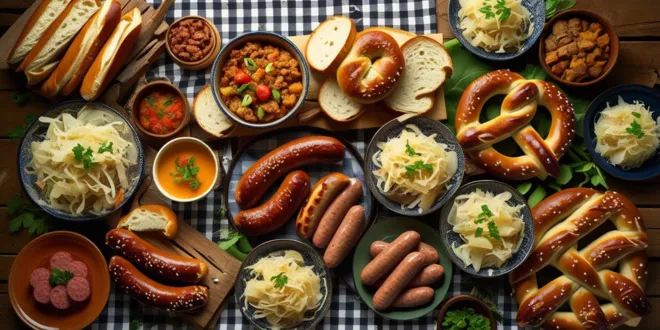
World-famous grilled sausages made from pork, beef, or veal, served with mustard and fresh bread in traditional German beer gardens
Sauerbraten
Tender marinated pot roast, typically made with beef or horse meat, slow-cooked with vegetables and served with potato dumplings
Pretzels (Brezeln)
Soft, chewy twisted bread sprinkled with coarse salt, perfect fresh from Bavarian bakeries and enjoyed with butter or cheese
Schnitzel
Breaded and fried meat cutlet, usually pork or veal, pounded thin and served with lemon, cranberry sauce, or mushroom gravy
Sauerkraut
Fermented cabbage slow-cooked with bacon and spices, traditionally served alongside sausages and roasted meats throughout Germany
Black Forest Cake (Schwarzwälder Kirschtorte)
Decadent chocolate cake layered with cherries and whipped cream, originating from Germany’s Black Forest region
Currywurst
Berlin’s iconic street food featuring grilled sausage topped with curry ketchup sauce and served with fries or bread
Spätzle
Soft egg noodles handmade in southern Germany, often served as a side dish or in creamy cheese sauces
Weisswurst
Traditional Bavarian white sausage made from minced veal and pork back bacon, typically enjoyed with sweet mustard and pretzels
Roasted Goose (Weihnachtsgans)
Holiday specialty roasted with apples and stuffing, traditionally served during Christmas celebrations throughout Germany
Best Restaurants and Beer Gardens in Germany for Food Lovers
Germany offers exceptional dining experiences ranging from Michelin-starred establishments to traditional beer gardens that showcase authentic local cuisine. Famous beer gardens like Hofbräuhaus in Munich and Prater Garten in Berlin provide lively atmospheres where visitors enjoy world-class sausages, pretzels, and fresh Bavarian beer.
Fine dining restaurants such as Schwarzwaldstube and Aqua serve innovative German cuisine with seasonal ingredients. Traditional taverns throughout the country offer hearty regional specialties like schnitzel, sauerbraten, and fresh seafood. Many establishments combine historical architecture with modern culinary techniques, creating memorable experiences that celebrate Germany’s rich food and beer culture.
German Beer and Wine Culture
Germany’s beer and wine culture represents centuries of brewing and viticulture traditions that have shaped the nation’s social fabric and culinary identity. With over 1,300 breweries producing more than 5,000 different beer varieties, Germany maintains the world’s second-largest beer market. The German Beer Purity Law (Reinheitsgebot) of 1516 ensures only water, hops, and malt are used in traditional brewing, maintaining exceptional quality standards.
Beer gardens and festivals like Oktoberfest celebrate this heritage, where families and friends gather to enjoy fresh Bavarian beer alongside traditional cuisine. Meanwhile, Germany’s wine regions, particularly along the Rhine and Moselle rivers, produce exceptional Riesling, Pinot Noir, and Gewürztraminer varieties that rival world-class vineyards.
The cultural significance extends beyond mere consumption – beer and wine are integral to German social customs, seasonal celebrations, and regional pride. Local breweries and wineries often serve as community gathering places, preserving ancient recipes and techniques while adapting to modern tastes and sustainable practices.

Germany’s Famous Beer Regions and Brewing Traditions
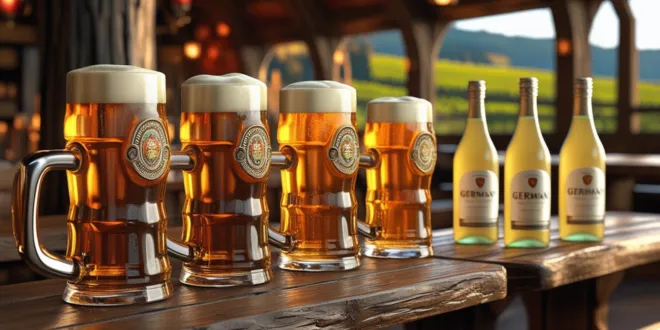
Germany’s beer regions showcase centuries-old brewing traditions that define the country’s cultural identity. Bavaria dominates with Munich’s world-famous breweries producing traditional lagers and wheat beers following the 1516 Reinheitsgebot purity law. The Rhineland features Kölsch beer culture in Cologne, while Hamburg specializes in Alsterwasser mixed drinks.
Northern regions produce distinctive ales and lagers adapted to local tastes and climates. Each region maintains unique brewing techniques, yeast strains, and flavor profiles passed down through generations. Traditional beer gardens and festivals celebrate these regional specialties, preserving ancient recipes while embracing modern brewing innovations that keep Germany at the forefront of global beer culture and craftsmanship.
Exploring Germany’s Wine Regions
Germany’s wine regions stretch from the Rhine Valley to the Moselle River, creating Europe’s northernmost wine-producing areas with exceptional quality. The Rhine Valley produces world-class Rieslings with mineral complexity, while Moselle wines feature delicate acidity and floral aromatics from steep slate vineyards.
Other prominent regions include Rheingau, known for sophisticated dry wines, and Pfalz, Germany’s second-largest wine region producing diverse varietals. These areas combine favorable microclimates with ancient winemaking traditions, using innovative techniques to create distinctive wines that reflect terroir.
Wine tourism flourishes through scenic river cruises, vineyard tours, and traditional wine festivals celebrating Germany’s rich viticultural heritage and exceptional wine craftsmanship.
Vegetarian and Vegan Options in Germany
- Vegan Schnitzel
- Vegetarian Bratwurst
- Lentil Currywurst
- Tofu Rouladen
- Vegan Sauerbraten
- Cheese Spaetzle (Vegetarian)
- Vegetarian Königsberger Klopse
- Vegan Black Forest Cake
- Plant-Based Weisswurst
- Vegetarian Eisbein Alternative

Budget-Friendly Eating in Germany
Germany offers numerous affordable dining options that allow visitors to enjoy authentic flavors without breaking the bank. Döner kebab, originating from Turkish immigrants, provides delicious and inexpensive meals starting at €3-5, available at street corners throughout major cities. Traditional bakeries offer fresh pretzels, rolls, and pastries for under €2, perfect for budget-conscious breakfasts or snacks.
Local supermarkets like Aldi, Lidl, and Rewe sell ready-to-eat meals, fresh produce, and German specialties at competitive prices. Many cities feature weekly farmers markets where visitors can purchase fresh fruits, vegetables, and regional products at lower costs than restaurants.
Fast-food chains and kebab shops provide quick, filling meals under €10, while pizzerias offer large slices and whole pizzas for reasonable prices. University cafeterias and canteens serve hearty meals at student prices, often open to the public during lunch hours.
Street food markets like Berlin’s Markthalle Neun offer diverse international cuisines at affordable prices, while food trucks throughout German cities provide innovative meals without premium restaurant costs, making Germany an excellent destination for budget travelers seeking authentic culinary experiences.
Traditional German Bakeries
Traditional German bakeries (Bäckereien) are cornerstone establishments offering affordable, fresh-baked goods that serve as perfect budget-friendly meal solutions. These bakeries feature warm pretzels, crusty bread rolls (Brötchen), buttery croissants, and seasonal specialties like Easter stollen and Christmas cookies. Many operate early morning hours, providing inexpensive breakfast options including fresh bread with cold cuts and cheese for under €5.
Local bakeries often use century-old recipes, maintaining authentic flavors while offering exceptional value. Regional variations include Bavarian soft pretzels, Swabian bread specialties, and Franconian pastries. These establishments frequently offer lunchtime sandwiches and light meals, making them ideal spots for budget-conscious travelers seeking genuine German culinary experiences without restaurant prices.
University Cafeterias and Canteens for Budget-Friendly Eating in Germany
University cafeterias and canteens across Germany provide exceptional budget-friendly dining options for students and visitors seeking affordable, nutritious meals. These establishments serve hearty German classics like schnitzel, sausages, pasta dishes, and fresh salads at student prices, typically ranging from €2-5 per meal. Many universities welcome public visitors during lunch hours, offering excellent value meals in casual, welcoming atmospheres.
Menus feature seasonal ingredients, vegetarian options, and international dishes alongside traditional German fare. These cafeterias often operate on tight budgets themselves, creating innovative, filling meals using efficient cooking methods. Located in academic districts, they provide convenient, wallet-friendly alternatives to restaurants while maintaining good food quality and hygienic standards appreciated by both students and budget-conscious travelers.
Christmas Markets and Holiday Treats
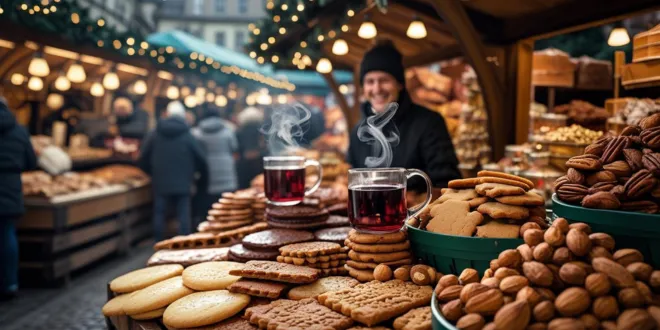
Germany’s Christmas markets (Weihnachtsmärkte) create magical winter wonderlands in city squares and historic districts, featuring traditional crafts, mulled wine (Glühwein), and seasonal delicacies.
Visitors enjoy roasted chestnuts, gingerbread cookies (Lebkuchen), and marzipan specialties while browsing handcrafted ornaments and gifts. Famous markets in Nuremberg, Dresden, and Munich offer authentic German holiday experiences with carol singers, twinkling lights, and festive atmosphere.
Traditional treats include Stollen fruitcake, roasted almonds, and regional sausages, creating unforgettable culinary memories during the holiday season.
Best Food Markets and Street Food
- Markthalle Neun Berlin
- Kaiserstraße Food Market Frankfurt
- Hamburger Speicherstadt Market
- Münchner Weihnachtsmarkt
- Stuttgart Wochenmarkt
- Hamburg Fish Market
- Leipzig Gewandhaus Market
- Munich Viktualienmarkt
- Berlin Turkish Market
- Frankfurt Kleinmarkthalle
Germany’s Regional Cuisine
Germany’s regional cuisine reflects the country’s diverse cultural heritage and geographical variations, with each state offering distinct culinary traditions shaped by local ingredients and historical influences. Bavarian cuisine features hearty dishes like Schweinshaxe (roasted pork knuckle), Weisswurst sausages, and pretzels, accompanied by world-famous beers from Munich’s breweries.
Northern German cuisine emphasizes fresh seafood, particularly fish dishes from the North and Baltic Seas, including Labskaus (fish stew) and various herring preparations. The Rhineland region showcases sophisticated wines and delicate dishes featuring locally-grown produce, while Baden-Württemberg offers Swabian specialties like Maultaschen pasta pockets and hearty potato dishes.
Eastern German states, including Saxony and Thuringia, are famous for their sausages, particularly Thuringian bratwurst and Leipziger Allerlei vegetable medley. Westphalian cuisine highlights robust flavors with dishes like Pumpernickel bread and hearty meat preparations.
Each region’s unique climate, soil conditions, and cultural exchanges have created a rich tapestry of flavors, from delicate pastries in Franconia to robust stews in the Black Forest, ensuring that Germany’s regional cuisine offers endless culinary discoveries for food enthusiasts exploring this diverse European destination.
Conclusion
A Foodie’s Guide to Germany has revealed the extraordinary depth and diversity of German cuisine, proving that this European powerhouse offers far more than traditional stereotypes suggest. From the Top 20 Must-Try German Foods and Traditional Dishes that showcase centuries of culinary evolution to the Best Restaurants and Beer Gardens in Germany for Food Lovers that blend heritage with modern innovation.
Understanding German Beer and Wine Culture enhances every dining experience, while Vegetarian and Vegan Options in Germany demonstrate the country’s commitment to inclusive gastronomy. Budget-Friendly Eating in Germany ensures incredible flavors remain accessible, whether you’re exploring bustling Best Food Markets and Street Food scenes or indulging in seasonal Christmas Markets and Holiday Treats.
Germany’s Regional Cuisine tells unique cultural stories through every bite, from Bavarian pretzels to Northern seafood specialties. This culinary journey through Germany promises unforgettable flavors, authentic experiences, and memories that will last long after your trip ends, making every food lover’s heart sing with satisfaction.
Frequently Asked Questions
1. What are the must-try traditional German foods for first-time visitors?
First-time visitors should absolutely try bratwurst, schnitzel, pretzels, sauerkraut, and black forest cake when exploring Germany’s culinary landscape.
These iconic dishes represent centuries of German cooking traditions and are readily available in restaurants, beer gardens, and local eateries throughout the country.
A Foodie’s Guide to Germany recommends starting with these classics before venturing into regional specialties, ensuring authentic taste experiences that capture the essence of German cuisine and provide memorable dining adventures during your visit.
2. Where can I find the best beer gardens in Germany for food lovers?
Germany’s best beer gardens for food enthusiasts include Munich’s legendary Hofbräuhaus, Berlin’s historic Prater Garten, and Cologne’s Früh am Dom. These establishments combine traditional Bavarian atmosphere with exceptional German cuisine, offering everything from grilled sausages to hearty schnitzel.
A Foodie’s Guide to Germany highlights these venues for their authentic experiences, where visitors can enjoy world-class beer pairings with traditional dishes while immersing themselves in Germany’s vibrant beer culture and social dining traditions.
3. What is the best time of year to experience German Christmas markets and holiday treats?
The optimal time to experience German Christmas markets and holiday treats is from late November through December, when cities transform into magical winter wonderlands. During this period, A Foodie’s Guide to Germany recommends visiting famous markets in Nuremberg, Dresden, and Munich to enjoy traditional treats like mulled wine, roasted chestnuts, gingerbread cookies, and marzipan specialties.
These seasonal celebrations offer authentic German holiday experiences with carol singers, handcrafted ornaments, and festive atmospheres that create unforgettable culinary memories.
4. Are there good vegetarian and vegan options available in German restaurants?
Modern German restaurants increasingly offer excellent vegetarian and vegan options, reflecting the country’s growing plant-based dining culture. Traditional dishes have been creatively adapted using tofu, seitan, and legumes while maintaining authentic flavors.
A Foodie’s Guide to Germany highlights numerous establishments specializing in plant-based cuisine, from vegan schnitzel and currywurst to dairy-free black forest cake. Many traditional restaurants now feature dedicated vegetarian menus, making Germany an increasingly welcoming destination for plant-based food enthusiasts seeking authentic culinary experiences.
5. What are the most famous German beer and wine regions to visit?
Germany’s most famous beverage regions include Bavaria for world-renowned beer and the Rhine Valley for exceptional wines. A Foodie’s Guide to Germany recommends visiting Munich’s breweries and beer halls for traditional Bavarian brewing, while wine enthusiasts should explore regions like Mosel, Rheingau, and Pfalz for outstanding Rieslings and Pinot Noirs.
These areas offer comprehensive tasting experiences, brewery tours, and vineyard visits that showcase Germany’s rich brewing and viticulture heritage through centuries-old traditions and modern innovations.
6. Where can I find budget-friendly eating options in Germany?
Budget-friendly eating options abound throughout Germany, making culinary exploration accessible to all travelers. A Foodie’s Guide to Germany recommends döner kebab shops for quick, filling meals under €5, traditional bakeries for fresh pretzels and pastries under €2, and supermarkets like Aldi and Lidl for ready-to-eat meals.
Weekly farmers markets offer fresh produce at competitive prices, while university cafeterias serve hearty meals at student rates. Street food markets and food trucks provide innovative cuisine without premium restaurant costs, ensuring delicious experiences on any budget.
7. What are the best food markets and street food scenes in major German cities?
Major German cities feature vibrant food markets and street food scenes that showcase both local traditions and international influences. A Foodie’s Guide to Germany highlights Berlin’s Markthalle Neun for weekly street food Thursdays, Munich’s Viktualienmarkt for traditional Bavarian specialties, and Hamburg’s historic Fish Market for fresh seafood.
These venues offer diverse culinary experiences from artisanal vendors, food trucks, and international cuisines, creating dynamic food cultures where visitors can sample everything from traditional German fare to innovative fusion dishes in authentic, bustling atmospheres.
8. How does Germany’s regional cuisine vary between different states?
Germany’s regional cuisine varies dramatically between states due to geographical, historical, and cultural factors. A Foodie’s Guide to Germany explains that Bavaria features hearty dishes like Schweinshaxe and Weisswurst, Northern states emphasize fresh seafood and fish preparations, the Rhineland showcases sophisticated wines and delicate produce-based dishes, while Eastern regions like Saxony are famous for distinctive sausages and vegetable specialties.
Each area’s unique climate, soil conditions, and cultural exchanges have created distinct culinary identities that reflect local ingredients and traditional cooking methods.
9. What are the top German desserts and sweet treats to try?
Germany offers exceptional desserts and sweet treats that showcase centuries of baking traditions. A Foodie’s Guide to Germany recommends trying Black Forest cake, apple strudel, gingerbread cookies (Lebkuchen), marzipan specialties, and Berliner Pfannkuchen donuts.
Regional variations include Bavarian Dampfnudeln steamed dumplings, Swabian Maultaschen pasta pockets served sweet, and Franconian Schneeballen pastries. These desserts often feature seasonal ingredients, traditional techniques, and local specialties that vary by region, making sweet exploration an essential part of any German culinary adventure.
10. Are there guided food tours available in Germany for culinary enthusiasts?
Numerous guided food tours operate throughout Germany, providing expert insights into local culinary cultures and hidden gastronomic gems. A Foodie’s Guide to Germany recommends these tours for comprehensive experiences that include visits to traditional markets, specialty shops, local restaurants, and historic food establishments.
Professional guides share historical context, cooking techniques, and cultural significance while ensuring safe navigation through diverse neighborhoods. These tours often feature tastings of regional specialties, wine pairings, and interactions with local chefs and food artisans for authentic culinary discovery.